Thinking about moving to Colorado? There are the practical things you’ll learn—how quickly the weather can change, what I-70 looks like on a ski weekend, and why keeping a jacket in your car year-round is generally a good idea.
And then there are the things that just sort of… happen to you.
Spend enough time living in Colorado and you may find yourself developing very specific opinions about ski resorts, planning an entire weekend around fall colors, and telling anyone who will listen that “we needed the moisture.”
As a fifth-generation Colorado native and Denver-area Realtor with more than 15 years in real estate, I’ve had plenty of time to observe the symptoms. And honestly? Even those of us who grew up here aren’t immune.
If you’re considering moving to Denver, the Colorado Front Range, or somewhere else in Colorado, consider these some of the more entertaining side effects of becoming a Colorado local.
What Is It Really Like Living in Colorado?
Living in Colorado means getting used to rapidly changing weather, planning around mountain traffic, spending a lot of time outdoors, and developing a new appreciation for sunshine—even when it’s 50 degrees outside.
It also means the mountains have a funny way of becoming part of everyday life.
You may start choosing restaurants based on their patios, planning weekends around fall colors, keeping outdoor gear in your car, and casually driving an hour for something you’d never have considered “close” before moving here.
Here are a few signs Colorado has officially gotten to you.
You Start Saying “We Needed the Moisture”
Rain?
We needed the moisture.
Snow?
Definitely needed the moisture.
A nine-minute afternoon storm that appeared out of nowhere?
Yep. We needed the moisture.
Spend enough time in Colorado and this phrase has a way of sneaking into your vocabulary.
You’ll also discover that checking the Colorado weather forecast before getting dressed is helpful—but not necessarily conclusive. Conditions can change enough throughout the day that layers become less of a fashion decision and more of a strategy.
Which brings us to another unofficial Colorado rule:
Keep a jacket in your car year-round.
Eventually, you’ll understand.
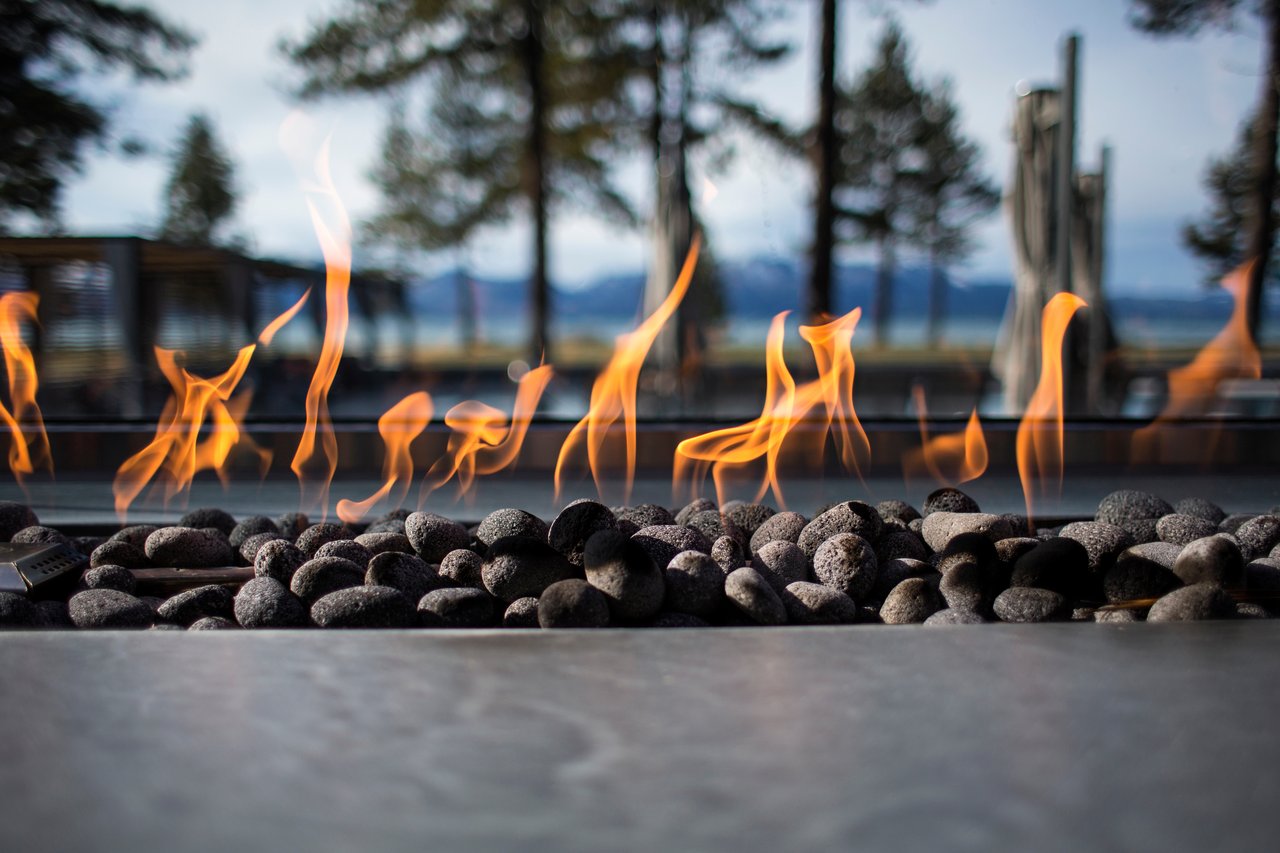
Your Definition of Patio Weather Changes
Fifty degrees and sunny?
In Colorado, that can absolutely be patio weather.
Colorado sunshine has a way of making the actual temperature feel negotiable. If the sun is out, you’ll probably find people sitting outside in sunglasses insisting, “It’s actually really nice.”
And if the patio has a mountain view? Even better.
After living here for a while, “Does it have a good patio?” can become a completely legitimate criterion for deciding where to eat.
Colorado Fall Colors Become a Whole Event
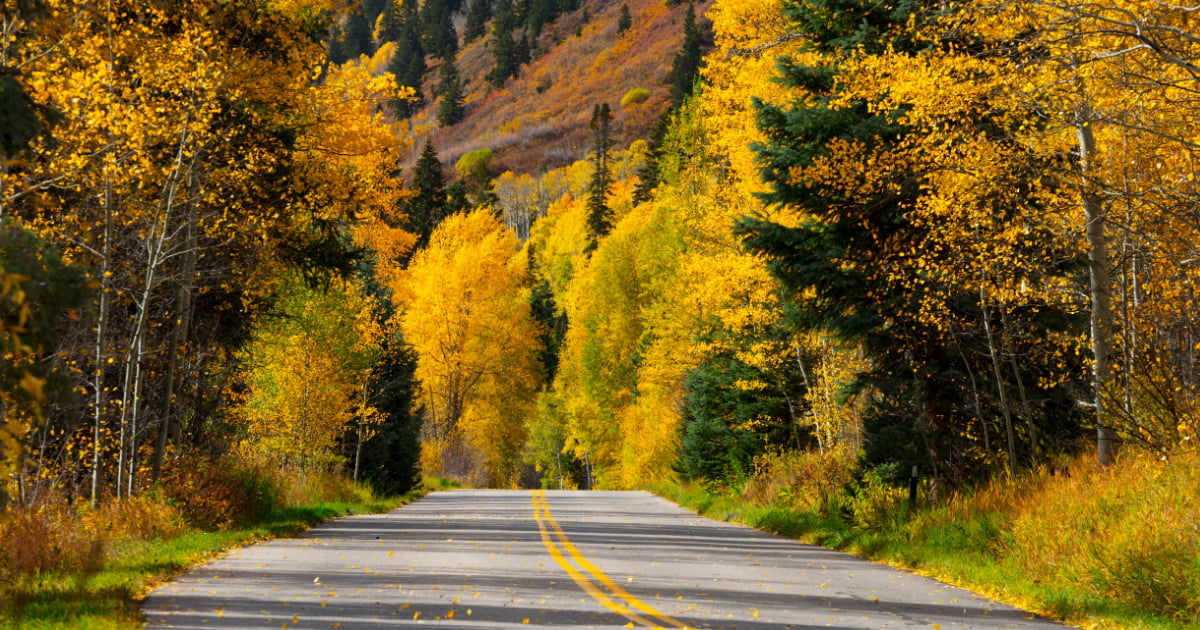
One of the best-known parts of fall in Colorado is watching the aspen trees turn brilliant shades of yellow and gold.
But once you live here, admiring the fall colors can become considerably more involved.
Have the aspens started changing?
Are they at peak color?
Did we miss them?
Should we go this weekend?
Which direction should we drive?
Suddenly, seeing Colorado’s fall colors isn’t something you happen to notice. It’s the entire weekend plan.
And when you finally find a mountain road or trail surrounded by golden aspens, you’ll take approximately 47 photos of the same grove.
They may look identical to everyone else.
They are not identical.
An Hour Away Becomes “Not That Far”
Living in Colorado can seriously change your perception of distance.
A mountain town, hiking trail, ski area, restaurant, concert, or weekend adventure may involve a decent drive—and eventually you’ll hear yourself saying:
“It’s only about an hour.”
Translation: not that far.
Of course, there is one important exception to this relaxed approach to driving.
You Know Exactly What “I-70 Traffic” Means
Interstate 70, or I-70, is one of the primary routes connecting the Denver area with many mountain destinations to the west.
But to Colorado residents, “I-70 traffic” requires almost no further explanation.
Mountain traffic can become part of the calculation when planning ski days, weekend trips, and other adventures west of Denver.
You learn to think about when you’re driving almost as much as where you’re going.
That’s part of living along Colorado’s Front Range: the mountains can feel incredibly accessible, but you’re definitely not the only person who wants to go there.
You Develop Strong Opinions About Ski Resorts and Mountain Towns
At some point, you may acquire a favorite Colorado mountain town.
You may also become prepared to defend that choice.
The same thing can happen with skiing and snowboarding. People have opinions about the drive, terrain, parking, crowds, atmosphere, and whether a particular ski day is worth the traffic required to get there.
What starts as “Let’s go skiing this weekend” can eventually become a surprisingly detailed logistical operation.
You Own Outdoor Gear for Every Possible Weather Condition
Colorado’s outdoor lifestyle and changing weather have a way of filling closets, garages, and car trunks.
Layers. Boots. Jackets. Hats. Hiking gear. Water bottles. Snow gear. And that random extra sweatshirt that’s been living in your car since approximately 2019.
You might encounter sunshine, wind, snow, rain, mud, chilly mornings and warm afternoons—sometimes within a surprisingly short period of time.
Eventually, being prepared stops feeling excessive.
It just feels Colorado.
You Start Scheduling Around Colorado Things
Living in the Denver area comes with certain rhythms.
Running errands on a Sunday during football season? You may want to know when the Broncos play.
Heading into the mountains? Think about traffic.
Want to see the aspens? Check how the fall colors are progressing.
Planning an outdoor dinner? You’re probably checking the weather one more time.
Eventually, these aren’t things you consciously think about. They simply become part of living in Colorado.
The Mountains Somehow Never Get Old
Here’s one that still gets me.
You can see Colorado’s mountains over and over again and still find yourself saying:
“The mountains look SO pretty today.”
Some mornings they’re unusually clear. Sometimes fresh snow completely changes the view. And sometimes the evening light hits them just right.
You’d think that after seeing them every day, you’d eventually stop noticing.
You don’t.
Living in Colorado Can Change What You Want in a Home
This is where Colorado lifestyle and Colorado real estate start to overlap.
Once you understand how you actually spend your time here, certain home features can take on different meaning.
Natural light and windows may become more noticeable. Outdoor living spaces can matter differently when you enjoy spending time outside. Garages and storage can become useful for bikes, skis, hiking equipment and everything else you’ve somehow accumulated.
And yes, you may suddenly understand why Colorado homeowners can have very strong opinions about which direction a house faces.
That’s because choosing where to live in Colorado isn’t only about the house itself.
It’s also about the lifestyle that comes with its location.
Your everyday experience can look very different depending on whether you live in Denver, a nearby suburb, farther north or south along the Front Range, or closer to the foothills.
Commutes, housing styles, access to trails and outdoor recreation, restaurants, walkability, lot sizes, and proximity to the mountains can all vary by location.
There isn’t one version of the “Colorado lifestyle”—and that’s exactly why choosing the right area matters.
Is Colorado a Good Place to Live?
Whether Colorado is the right place for you depends on what you value, where you need to be, your budget, and how you want your everyday life to look.
People considering a move to Colorado often focus first on the mountains and outdoor lifestyle. Those are certainly part of it, but daily life also means thinking about things like commute patterns, weather, housing options, traffic, neighborhood character, and how frequently you realistically want to head into the mountains.
If you’re researching living in Denver or moving to Colorado, looking beyond the postcard version can help you figure out which community actually fits your lifestyle.
Thinking About Moving to Colorado?
The biggest side effect of living here might simply be how attached you get.
To your favorite mountain town. Your preferred trail. That first warm patio day. The first snow of the season. Fall weekends chasing golden aspens. And the view of the mountains on an unusually clear morning.
And, if you’re me, you may find a surprising number of opportunities to mention that you’re a Colorado native.
What can I say? I’m fifth generation. I’ve earned at least a few mentions.
If you’re considering moving to Denver, the Denver metro area, or Colorado’s Front Range, I’m happy to help you understand more than just the homes for sale. We can talk through the communities, housing options, tradeoffs, and what everyday life actually looks like in different areas.
Kayla Schmitz
The Aspen Collection
Call or text: (303) 249-4118
Email: [email protected]
Instagram: @kaylamyrealtor