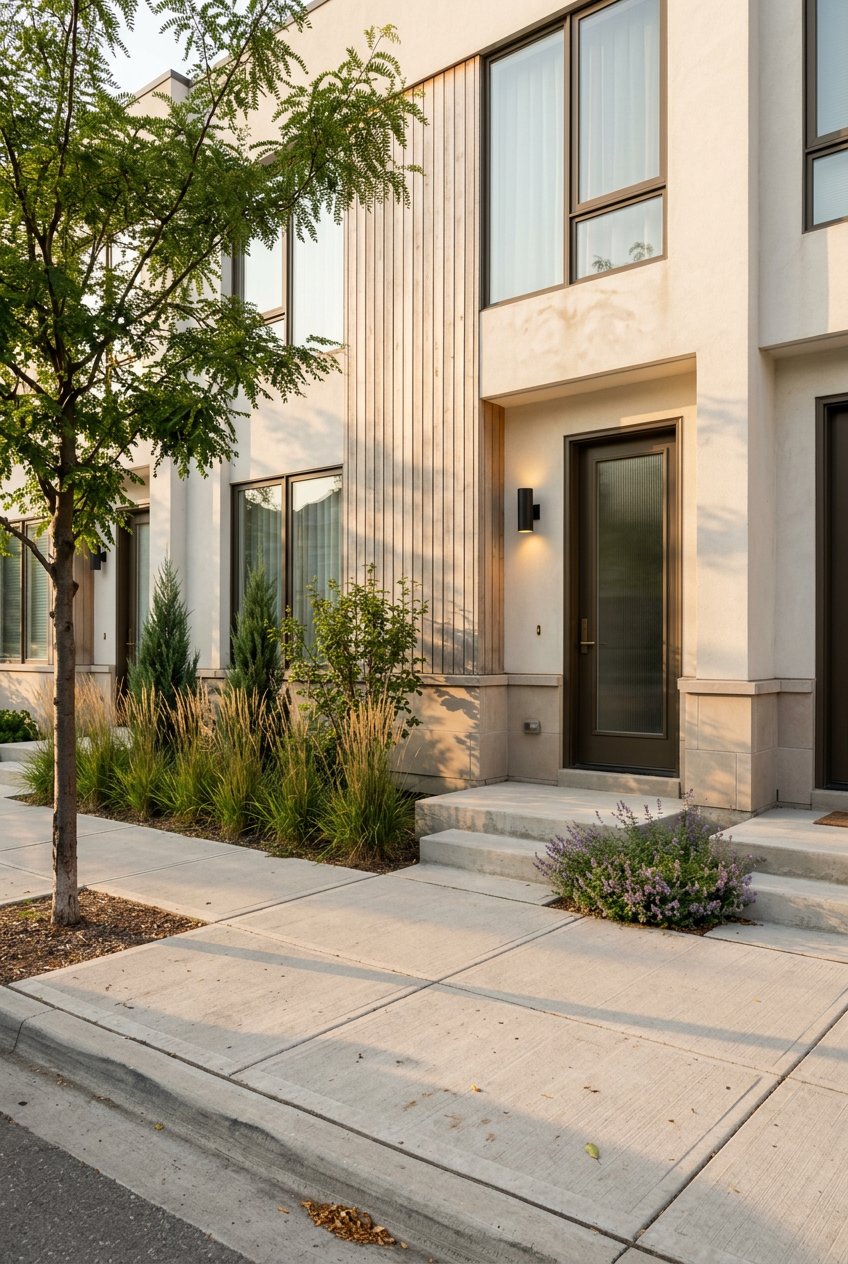
What if you could step out your front door in Lakewood and be minutes from coffee, groceries, a library, or a light‑rail station, yet still come home to real yard space and mountain views? You are not alone if you want both convenience and breathing room. The good news is that Lakewood offers several walkable pockets that deliver daily ease, outdoor access, and solid long‑term value.
In this guide, you’ll learn where Lakewood’s most walkable areas are, how they differ, and what that means for your lifestyle and resale potential. You’ll also get a simple checklist to evaluate any listing for true day‑to‑day walkability. Let’s dive in.
What walkable living means here
Walkability in Lakewood feels a little different than in central Denver. You will find compact, mixed‑use blocks in a few places, but many neighborhoods are still suburban. That is why the best strategy is to focus on the city’s walkable pockets, transit stops, and trail corridors that connect your home to daily needs.
Transit that shrinks your commute
RTD’s W Line is the backbone for car‑light living in Lakewood. Stations like Lakewood•Wadsworth and Federal Center offer direct rail connections to downtown Denver and Golden. The station areas vary. Some, such as Lakewood•Wadsworth, include large park‑and‑ride facilities, while others have more of a street‑level feel. That difference shapes nearby housing, retail, and how much you can rely on foot and rail.
Before you fall in love with a listing, confirm the station’s features and bus links. The Federal Center Station page shows parking, connections, and access details that affect your daily routine.
Trails and parks as daily routes
Lakewood’s outdoor network is a second kind of walkability. The Bear Creek Greenbelt, Bear Creek Lake Park, and Green Mountain trails connect you to miles of paths for walking, running, and biking. The city’s maps and planning pages outline these corridors, which can turn a quick stroll into a daily routine without getting in the car.
Shopping and errands that are close
For compact, all‑in‑one convenience, the Belmar Shopping District is Lakewood’s standout. It is the city’s purpose‑built “downtown,” with restaurants, shops, events, and services across several walkable blocks. Explore the Belmar district to get a feel for the retail anchors and programming that keep the area active week after week.
Where walkability meets value
Walkable areas can support steady demand because they make daily life easier. In early 2026, most market trackers place Lakewood’s typical home values in the mid‑$500k range. Exact numbers vary by neighborhood and product type, so focus on the pocket, not the headline. Here is how the key areas stack up and what that can mean for resale.
Belmar and Central Lakewood
Belmar is Lakewood’s most complete example of a walkable town center. You will find low‑rise condos and apartments around the shopping core, plus townhomes and nearby single‑family streets with post‑war ranches. Proximity to shops, events, and cultural spaces helps support ongoing buyer interest. Get a feel for the district’s scale and energy on the Belmar site.
What it can mean for value: Properties within a short walk of true mixed use often see consistent demand. Flats and townhomes trade on convenience, while nearby single‑family homes attract buyers who want yards without losing access to daily needs.
W Line corridor stations
If you want a one‑seat rail ride to Denver or Golden, look near the W Line stops. The character changes by station. Large park‑and‑ride hubs like Lakewood•Wadsworth can feel more car‑oriented, while smaller stops may have a closer mix of local businesses and housing. Several apartment communities explicitly market their proximity to stations, as seen in the RMCAD housing guide.
What it can mean for value: Buyers who prioritize an easy rail commute often pay up for a short, safe walk to a station. The premium depends on the station’s urban form and nearby amenities. A look at the W Line’s history and architecture shows how the corridor continues to evolve.
West Colfax and 40 West Arts
Along West Colfax near the Lamar station, you will find the 40 West Arts District with galleries, local restaurants, and small retail. It has an urban‑corridor feel that is more spread out than Belmar but still offers pockets of dining and culture. As city planning and corridor upgrades continue, expect incremental improvements in walkability over time.
What it can mean for value: Lifestyle buyers are drawn to authentic, arts‑driven corridors. If you like creative energy and transit access, this pocket can be a practical choice with upside as streetscapes improve.
Green Mountain and Bear Creek
If your version of walkable means trailheads over tapas, Green Mountain and the Bear Creek system fit well. You will see more single‑family homes and townhomes with larger lots and quick access to major parks. The city’s trail resources can help you map out daily loops.
What it can mean for value: Outdoor access is a durable draw in Colorado. Homes that back to or are near major trail systems often hold appeal for active buyers, even if the nearest coffee shop requires a short drive.
Eiber, Morse Park, and nearby pockets
These neighborhoods offer moderate walkability with a quieter residential feel. You will often find mid‑century ranches, bungalows, and townhomes that trade a shorter stroll to shops or a quick drive to Belmar or a station. For many buyers, that balance of space, price, and access hits the sweet spot.
How to evaluate a listing fast
Use this quick checklist to see if a home supports your walkable lifestyle.
- Walk to daily anchors. Time your walk to a grocery, coffee shop, and at least one restaurant cluster. City planning guidance encourages a 5 to 10 minute “walkshed.” The city’s planning framework is a helpful reference.
- Check the transit practicality. Look up service frequency and station details before you tour. RTD’s Lakewood•Wadsworth Station page lists parking, bus links, and access notes that shape your commute.
- Confirm everyday errands. Belmar has multiple anchors and services within a tight footprint. Explore the Belmar directory to visualize errands on foot.
- Weigh the housing tradeoff. Condos and townhomes near mixed use often win on convenience but have less private outdoor space. Single‑family homes a few blocks out deliver yards but add minutes to your walk.
- Consider the resale lens. Properties close to stable mixed use, cultural assets, quality parks, and reliable transit access often see durable demand. City plans and zoning shape long‑term patterns, so keep an eye on official updates.
What city data says about walking
Lakewood’s transportation plans show that most residents still drive for daily trips. Walking and transit make up a smaller share overall, though both are growing in the right locations. The city’s Bike Plan 2025 highlights how improvements cluster around key corridors. The takeaway for you is simple. Focus on the neighborhoods where shops, stations, and trails line up.
Who walkable Lakewood fits
- First‑time buyers and renters who want a car‑light routine near transit and dining.
- Move‑up buyers who want yard space close to Belmar or a station.
- Outdoor‑first buyers who value Green Mountain and Bear Creek access over compact retail.
If you see yourself in one of these groups, a targeted search in the right pocket can help you get lifestyle and value in one move.
Smart compromises that add value
- Be a short walk, not on top of it. Buying 4 to 8 blocks from the retail core often reduces price and noise while keeping easy access.
- Prioritize the safest, most direct routes. A 7 minute walk on continuous sidewalks often beats a 5 minute route that crosses wide arterials without signals.
- Think resale early. Look for consistent anchors, like a rail station, a public library, or a year‑round event venue. These keep foot traffic and interest steady.
How we help you buy or sell well
The right pocket in Lakewood can improve your day‑to‑day life and protect long‑term value. You deserve an advisor who knows which streets deliver the most lifestyle for the price and how to position your home when it is time to sell. The Aspen Collection pairs deep local knowledge with a concierge approach: strategic pricing, hands‑on preparation, tailored marketing, and pre‑sale upgrades through Compass Concierge for qualified sellers.
Whether you are choosing a block near Belmar, a townhome by the W Line, or a single‑family home close to Green Mountain, we will help you compare options, analyze comps, and move with confidence. When you are ready, connect with Kayla Schmitz for a no‑pressure consult and a tailored plan.
FAQs
What are Lakewood’s most walkable areas?
- Belmar and its nearby blocks, West Colfax near the Lamar station, and select streets near W Line stops like Lakewood•Wadsworth and Federal Center are your best bets.
How does the W Line commute work from Lakewood?
- The W Line links Lakewood stations to downtown Denver and Golden; check RTD’s station pages, such as Lakewood•Wadsworth, for current frequency and connections.
Can I have a yard and still walk to things in Lakewood?
- Yes. Look a few blocks off Belmar’s core or near select W Line stations to trade a slightly longer stroll for a single‑family lot.
Do walkable pockets help resale value?
- Homes close to stable mixed use, key parks, and reliable transit often see consistent demand, though results vary by block and property type.
What is the current price picture in Lakewood?
- Citywide trackers show typical values in the mid‑$500k range, but prices vary by neighborhood and property type; review fresh comps for the exact pocket you want.